Need Help? Answers?
We’ve helped hundreds design the right building, and we’ll do the same for you. Let’s turn your idea into a certified, installed reality. It starts with one call and ends with a structure that last for decades.
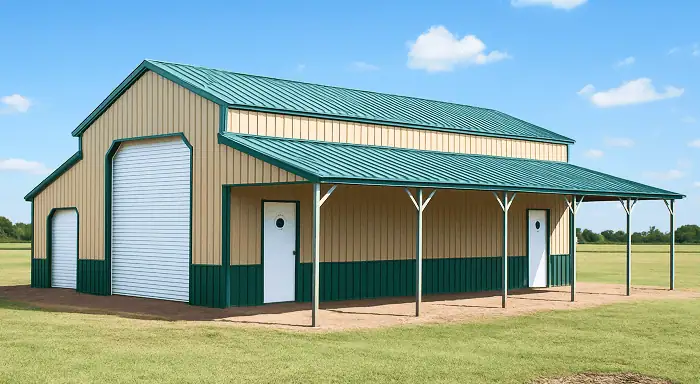
Ohio’s weather can test any structure — freezing winters, humid summers, and wind that finds every weak point. That’s why every Valorforge building starts with certified engineering. We design to your county’s wind and snow loads, use high grade American steel, and install with precision that meets standards.
Contact our building experts at (336) 755-9148 or simply fill out the form — we’ll walk you through your options and provide a custom quote tailored to your needs and your property.
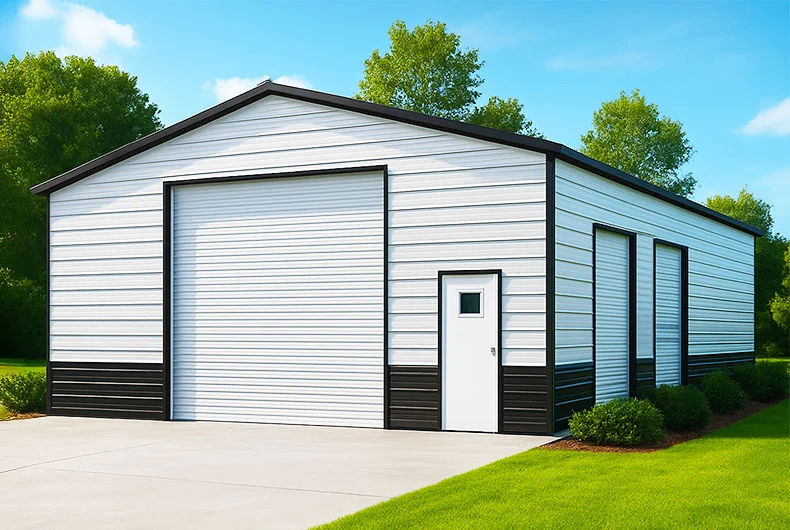
Ohioans know winter snow, summer heat, and hail all too well. Our garages are built to keep your vehicles clean, dry, and protected all year long. Whether it’s a 1-car garage or a full workshop, every structure is engineered to your county specs and installed by people who take pride in getting it right.
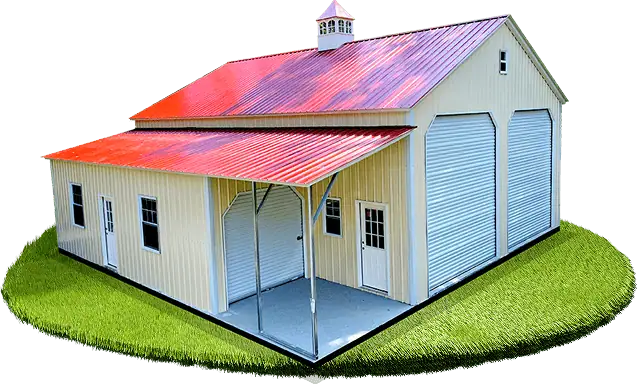
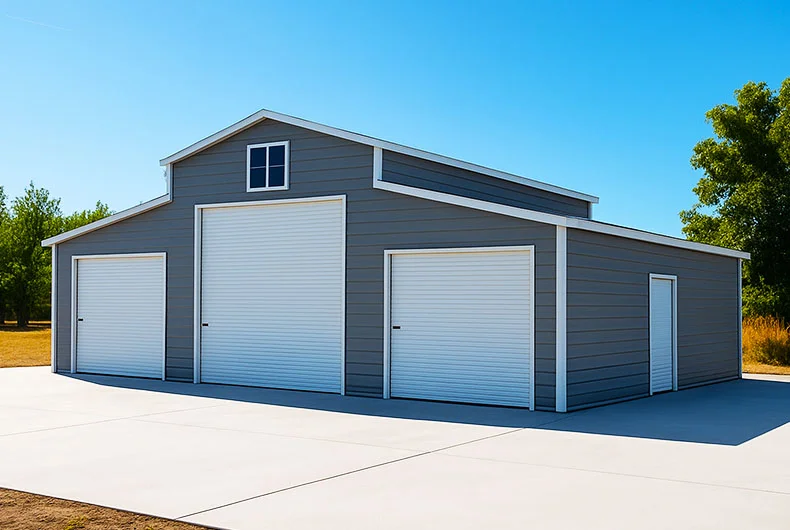
From family farms in Holmes County to equipment storage out near Dayton, we’ve built barns for just about every use. Choose from center-aisle, raised-center, or lean-to layouts — each one certified for Ohio’s snow and wind loads. You’ll get a structure that’s custom, durable, and built to last.
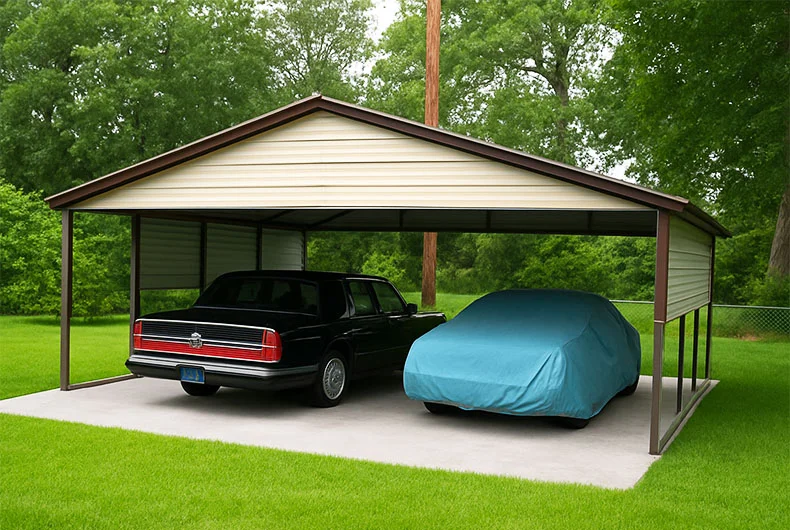
Our steel carports are the real deal—engineered to handle Ohio’s snow, wind, and year-round exposure. Whether you’re covering your daily driver in Columbus, sheltering a boat near Lake Erie, or keeping equipment dry on your farm lot, we build to your exact specs and your ZIP code’s loads. Vertical roofs for fast snow runoff, side panels for wind block, extra bracing where it counts—every detail matters when you’re protecting what moves your life. From single-car carports to wide-span RV covers with lean-tos, you get a carport that’s actually built to last in Ohio.
Choosing a metal building in Ohio isn’t just about square footage—it’s about getting it built right the first time. At Valor forge, every structure we deliver is engineered for Ohio’s exact codes, snow loads, and soil conditions. No guesswork. No off-the-shelf shortcuts. As a veteran-owned team, we back every building with discipline, clarity, and honest craftsmanship. You get stamped plans for easy permits, real customer support from quote to install, and structures that hold up across Ohio’s changing seasons—from lake-effect snow to Appalachian wind.
Ready to start your Ohio project?
Talk to a Valorforge building expert and get a custom quote based on your land, layout, and load requirements.

Pricing depends on size, gauge, roof style, openings, and local code requirements.
In most Ohio jurisdictions, yes—especially for permanent structures, larger square footage, or any building with electrical/plumbing. Permits confirm your building meets wind, snow, and foundation requirements. We provide engineer-stamped plans specific to your ZIP code to help speed approval. Pro tip: call your county building department early—rules in Columbus suburbs can differ from rural townships or lakefront communities.
tart with use-case and clearance:
1–2 cars: 24×30 typically works; add height for trucks or lifts.
Workshop & storage: 30×40 gives room for benches, compressors, and aisles.
RV or tall farm equipment: 20×40 to 24×48 with added leg height and door clearances.
Plan for future gear and workflow. It’s cheaper to add width/height now than to re-build later.
Vertical Roof: Best for heavy rain, snow, and leaf debris—sheds quickly and reduces buildup.
A-Frame (boxed-eave): Clean look to match many homes; solid for moderate conditions.
Regular (curved): Budget-friendly; fine for mild exposure, but we recommend vertical in snow belts and open sites.
Pricing depends on size, gauge, roof style, openings, and local code requirements.
tart with use-case and clearance:
1–2 cars: 24×30 typically works; add height for trucks or lifts.
Workshop & storage: 30×40 gives room for benches, compressors, and aisles.
RV or tall farm equipment: 20×40 to 24×48 with added leg height and door clearances.
Plan for future gear and workflow. It’s cheaper to add width/height now than to re-build later.
In most Ohio jurisdictions, yes—especially for permanent structures, larger square footage, or any building with electrical/plumbing. Permits confirm your building meets wind, snow, and foundation requirements. We provide engineer-stamped plans specific to your ZIP code to help speed approval. Pro tip: call your county building department early—rules in Columbus suburbs can differ from rural townships or lakefront communities.
Vertical Roof: Best for heavy rain, snow, and leaf debris—sheds quickly and reduces buildup.
A-Frame (boxed-eave): Clean look to match many homes; solid for moderate conditions.
Regular (curved): Budget-friendly; fine for mild exposure, but we recommend vertical in snow belts and open sites.
We’ve helped hundreds design the right building, and we’ll do the same for you. Let’s turn your idea into a certified, installed reality. It starts with one call and ends with a structure that last for decades.